Three buildings in Burkina Faso — a waste treatment works and a logistics warehouse — fabricated in Jinzhou as pre-engineered frame and envelope, and packed to the erection sequence. Once the container has sailed, nothing can be added from the yard.
At home, a missing bracket is a van and an afternoon. Twelve thousand kilometres away it is a stopped site, a customs broker and a crew on standby.
Not a bracket, not a bolt bag, not a tube of sealant. The packing list is not an inventory — it is the guarantee that the building can be finished.
Bundles follow the erection sequence, so the first thing off the container is the first thing the crew needs. Loading the container is planned on the drawing, not judged at the port.
Sheets, flashings, fixings and closures ship with the frame, in the same colour and from the same coil. A repaired roof has to match the one that left the yard.
The crew on site has our drawings and nothing else. If a detail needs a phone call to explain, it is drawn wrong.
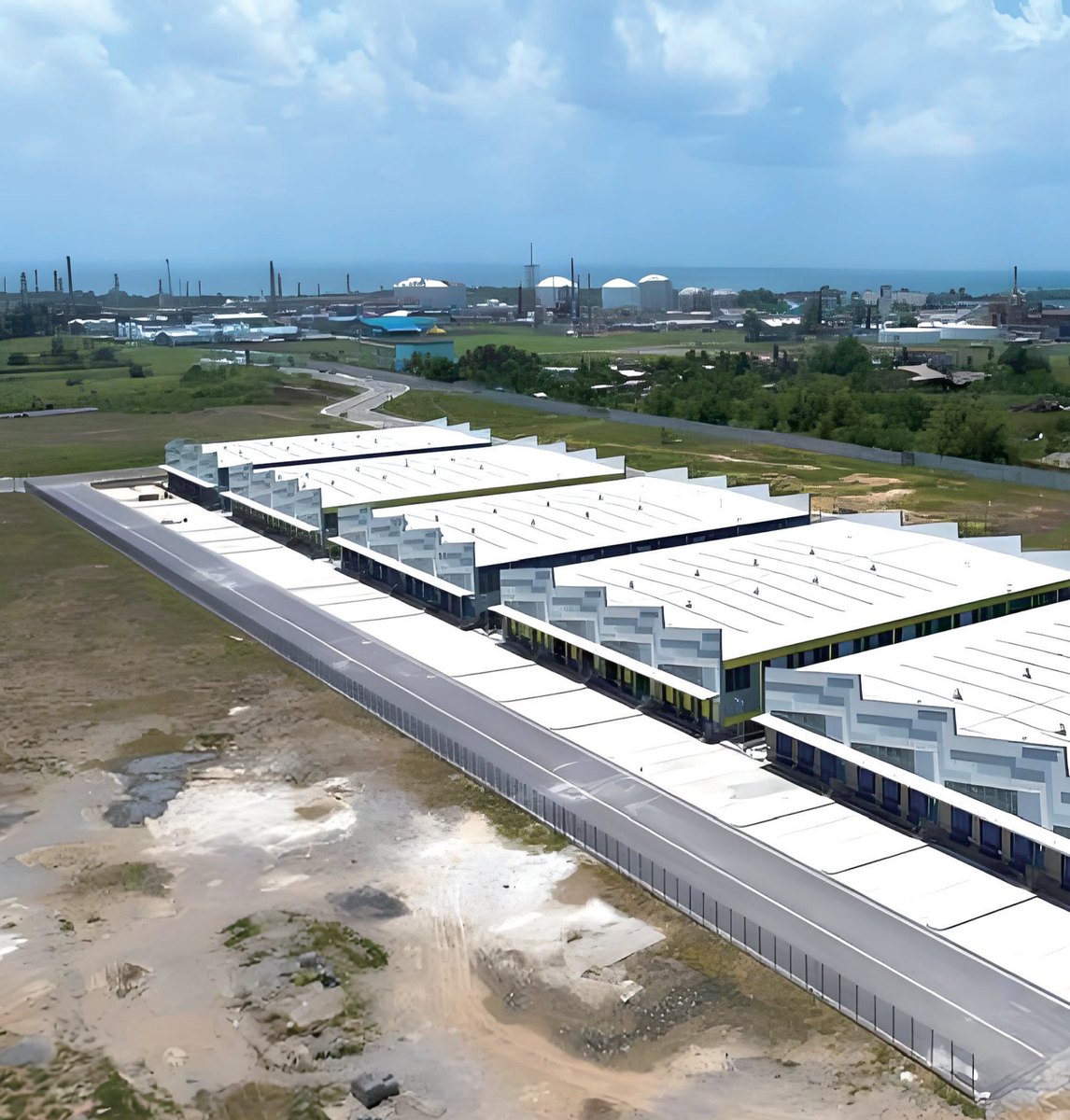
Written for the case where the first time you see the building is in a photograph.
The packing list is built from the model, item by item, and checked off against the bundles. It is the only inventory that will exist.
Bundles are numbered to the sequence, not to the drawing set, so the site is never unpacking to find one member.
Every bundle carries the mark that appears on the erection drawing. One number, one place, no guessing.
Erection drawings carry the sequence, the temporary bracing and the bolt sizes. Nothing relies on a conversation.
Loading is drawn before the last bolt is boxed: how many pieces, in what order, and what goes in last because it comes out first.
Bolts, washers, closures and a spare sheet or two. The cost of the spares is a fraction of the cost of the delay they prevent.
The packing plan has to be finished while the drawing can still change. After that, the container becomes the specification.
Send the drawing HONGJI SHUNDA